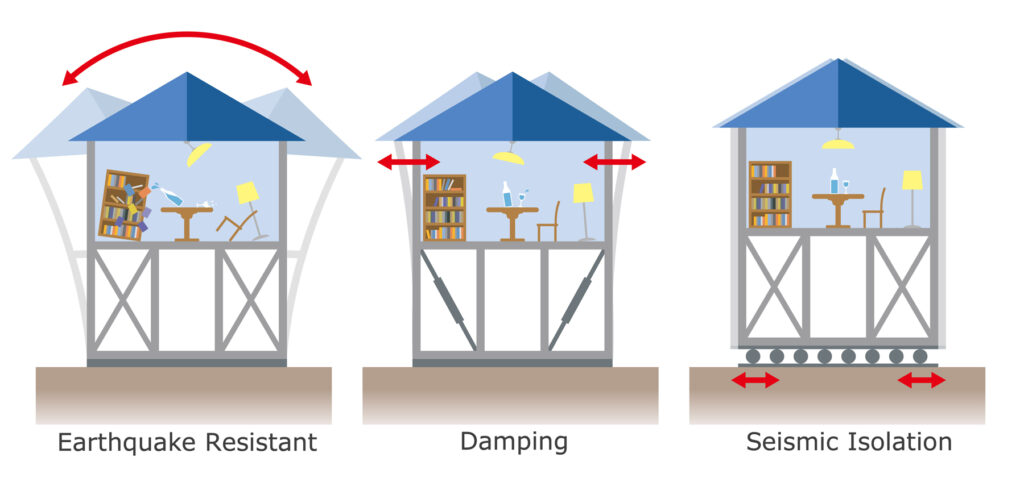
I really enjoyed that we began the semester by not jumping right into Japanese history specifically, but looking at complex societies in general, as well as the geological features of Japan, because I think that these provide a foundation for what we will be talking about for the rest of the semester. I am really interested in the way that nature affects human activity and vice versa. One example that stood out to me was the way that because of Japan being prone to earthquakes, they began making buildings that could withstand an earthquake. On the other hand, because the population realized that because the natural pattern of the forests suited what they needed, that kept them from destroying the forests. One of the discussion questions was whether the geological features of a place are more or less important to look at when studying history than human action, but I think that they are equally important because they are inherently linked. The way that natural features affect the ideology of a population is also very interesting. In class, we discussed Japanese fatalism and how because of the number of natural disasters, there is a sense of impermanence of things that made its way into the thought process of the population, which I had not thought about. But, a change in ideology because of natural disasters would most likely result in human actions that would not have happened had circumstances been different, so even if it indirectly affects human action, they are still linked.
I also really the “Pre-industrial societies” reading. The passage that I chose to discuss was on page 20 where the author spoke about the power dynamics between a producer and a maintainer. I found it really interesting how on paper, that system looked like there would be equality because it was a symbiotic relationship, but in practice, the maintainer held much more power, while the producer was lower in the hierarchy. I think that this will be important to think back to when discussing different governments and ideologies when it comes to societies, because there are many different ways of creating a society, and all of them will have pros and cons. No ideology is perfect, even if it looks good on paper, which is crucial for understanding the events that happen throughout history. I also wondered about the connection between the two readings: “Japan’s Natural Setting” and “Pre-Industrial Societies”, because the second reading, when talking about the producers, focused purely on food production. This is understandable because before Industrialization, food production was crucial for survival. But, since “Japan’s Natural Setting” also focused on agriculture, I wonder how different geological features affected the power dynamics of societies.
Bibliography:
Friday, Karl F, ed. Japan Emerging : Premodern History to 1850. INSERT-MISSING-SERVICE-NAME. New York, NY: Routledge, an imprint of the Taylor & Francis Group, 2018. https://doi.org/10.4324/9780429499531.
Crone, Patricia. Pre-Industrial Societies : Anatomy of the Pre-Modern World. INSERT-MISSING-SERVICE-NAME. London: Oneworld, 2015. INSERT-MISSING-URL.

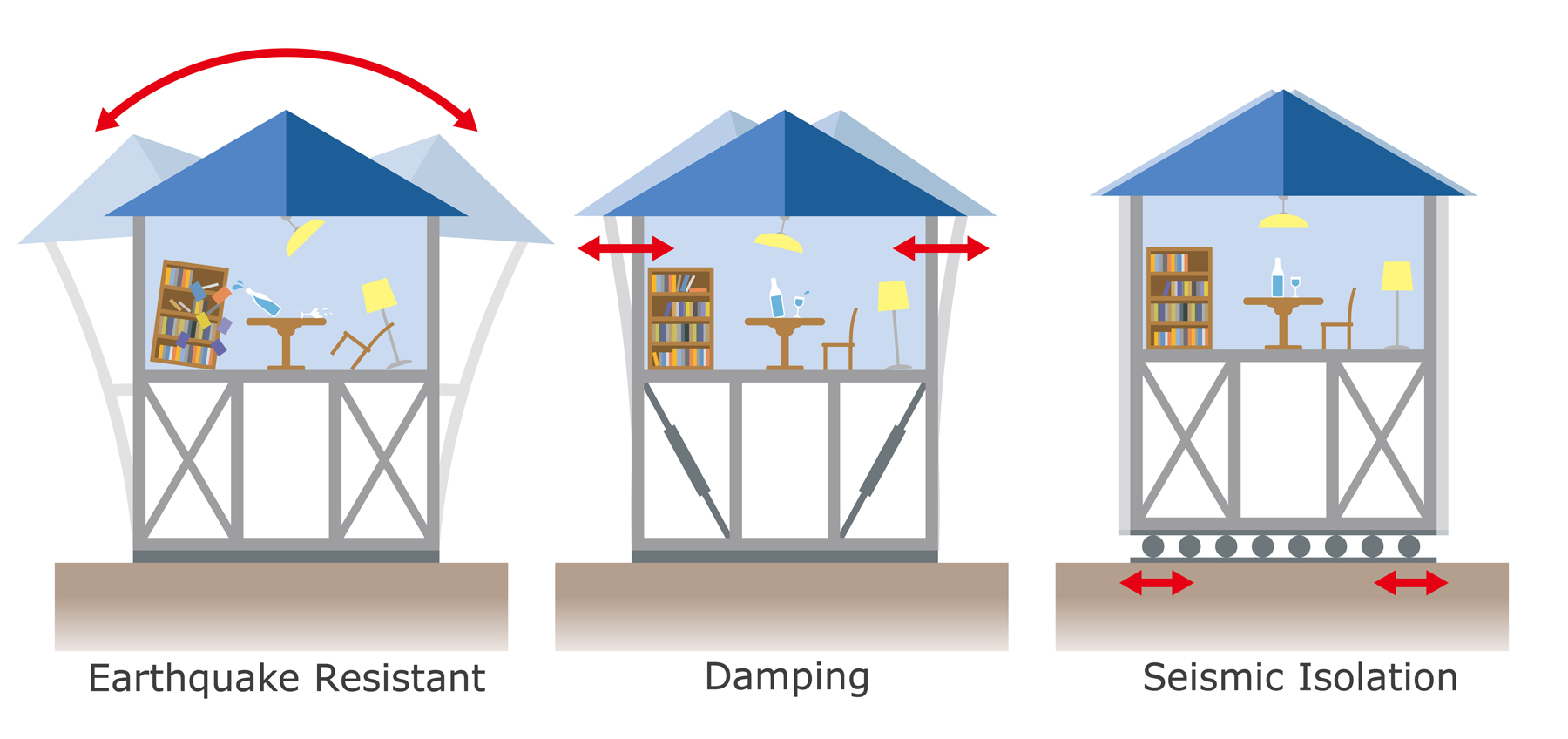
Hello, thank you for the great post. I did enjoy your explanation about the Japanese landscape. I included in my post the same idea about earthquake-proof buildings. I liked how you drew a connection about how the people started to care more for their forests as it seemed to be helpful to them. The geography of any country is not fully perfect. But sometimes, if humans utilize their minds into good use, they could establish a paradise just like in Dubai.